
Construction Machinery from China: Batching Plants, Mixers and Road Base Equipment
Construction buyers rarely lose money on the machine itself — they lose it on the configuration they never asked about. A concrete batching plant quoted at one price with a 3-bin aggregate hopper, and at another price with 4 bins, a bigger mixer, a different control system and a different output per hour, is not the same plant. Two numbers on WhatsApp tell you nothing until you know what is inside them. This guide shows how to read a construction machinery quotation, what each machine class is for, and what it really costs to get the plant working on your site.
Machine Types and What Each One Is For
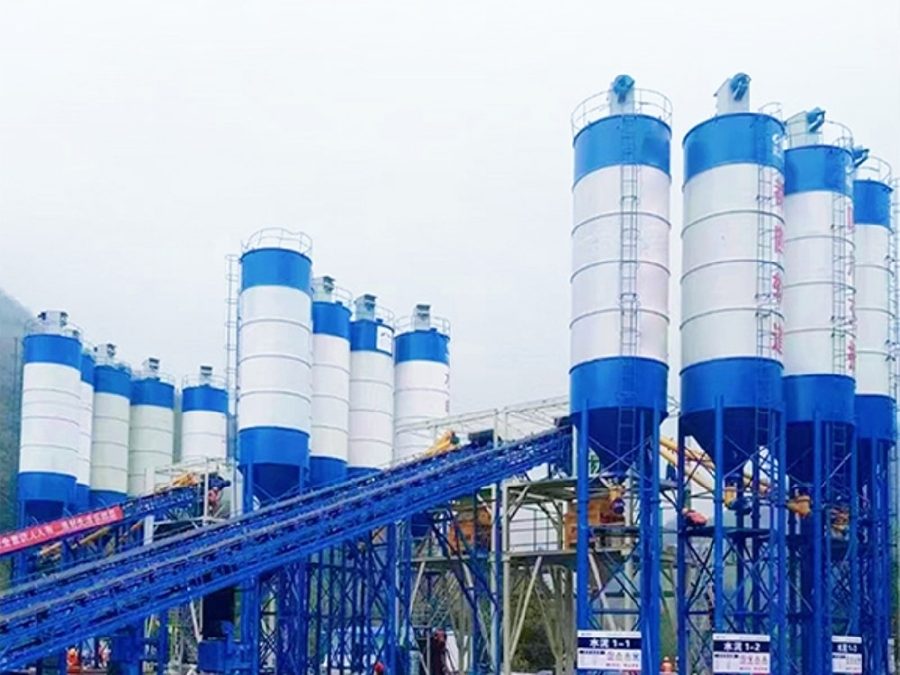
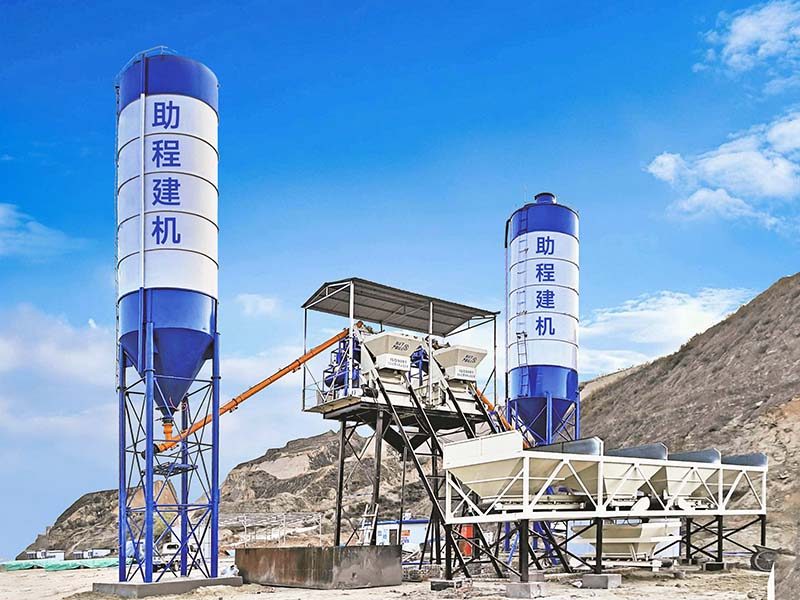
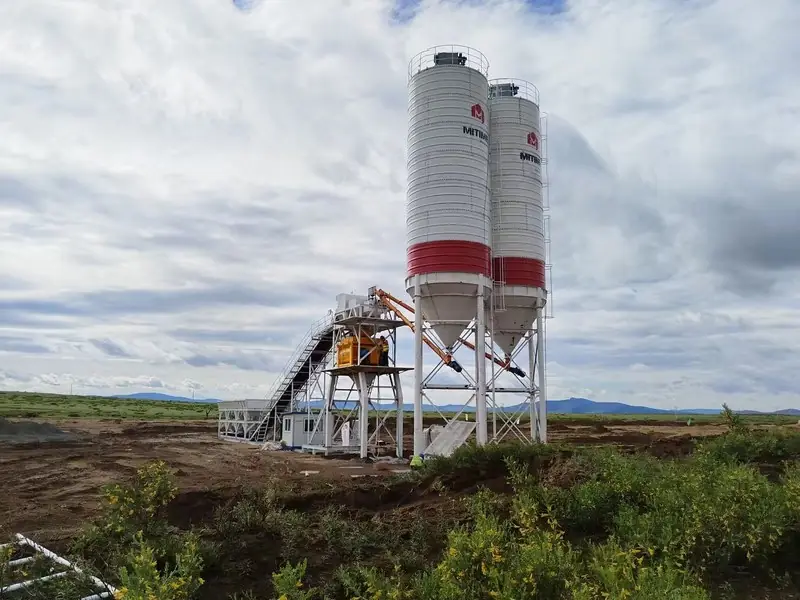
Concrete Batching Plant
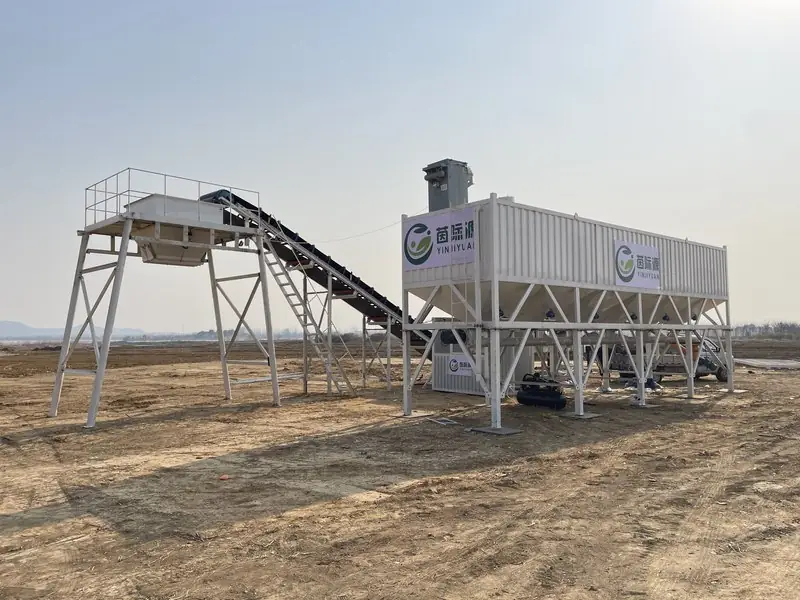
The core of a ready-mix or precast operation. HZS series plants run from about 25 m³/h to 240 m³/h, containerized and export-ready. Three figures decide the price: output per hour, mixer size (JS twin-shaft, 500–2000 L) and whether aggregate is fed by skip hoist or belt. For a fixed ready-mix yard, a 60–90 m³/h belt-type plant is the usual workhorse.
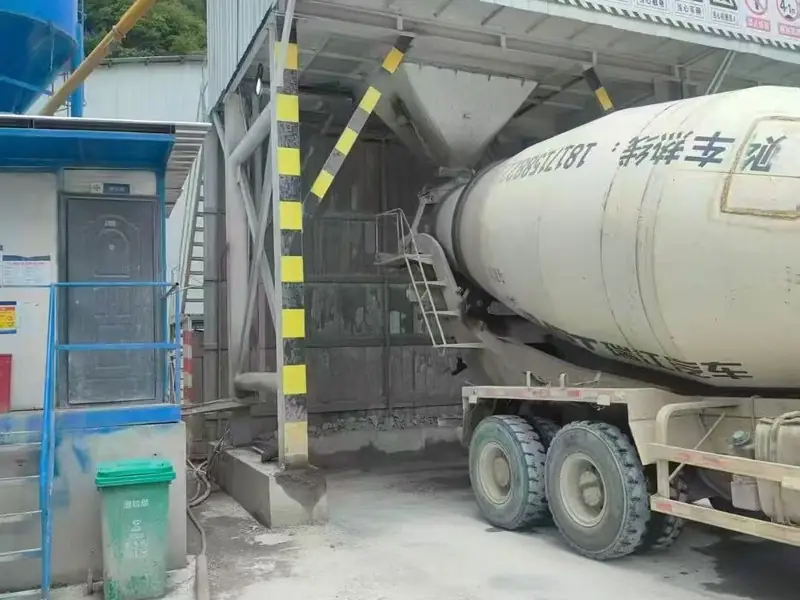
Concrete Mixer
JS series twin-shaft forced mixers, 500–2000 L, used inside batching plants and standalone on job sites. A twin-shaft mixer produces a faster and more homogeneous mix than a drum mixer, which starts to matter the moment you pour structural concrete.
Water Stabilized Base Mixing Plant
Purpose-built for road base and subgrade layers. A water stabilized base mixing plant blends cement, aggregate and water continuously at a controlled ratio — output is measured in tonnes per hour, not batches. Mobile versions can be moved along the road alignment; integrated 4-bin versions are built for higher, steadier output.
Lime-Soil Stabilization Mixing Plant
For subgrade stabilization where lime, cement or a blend is mixed into the soil. Common on road and airport projects where the base layer has to meet a compaction and bearing specification.
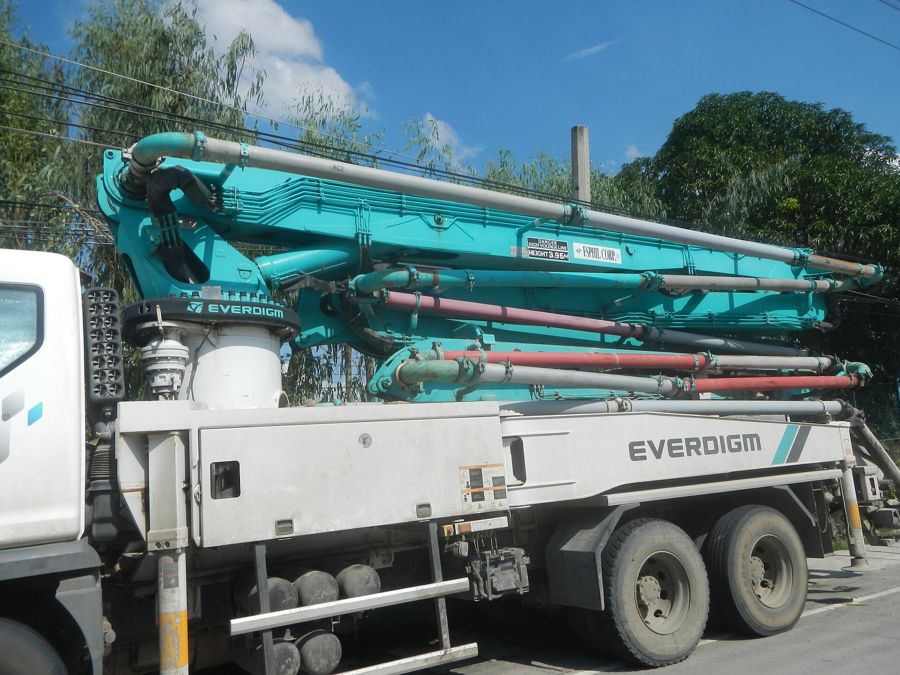
Concrete Pump Truck
Boom pumps for placing concrete where a chute cannot reach. Reach and output are the two figures to compare, and after-sales support for the hydraulic system matters as much as the purchase price.
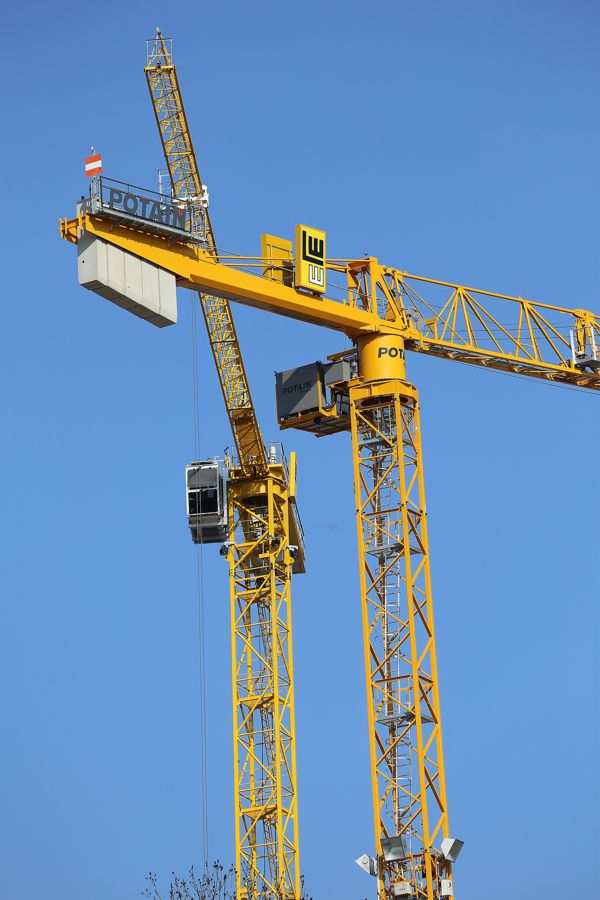
Tower Crane
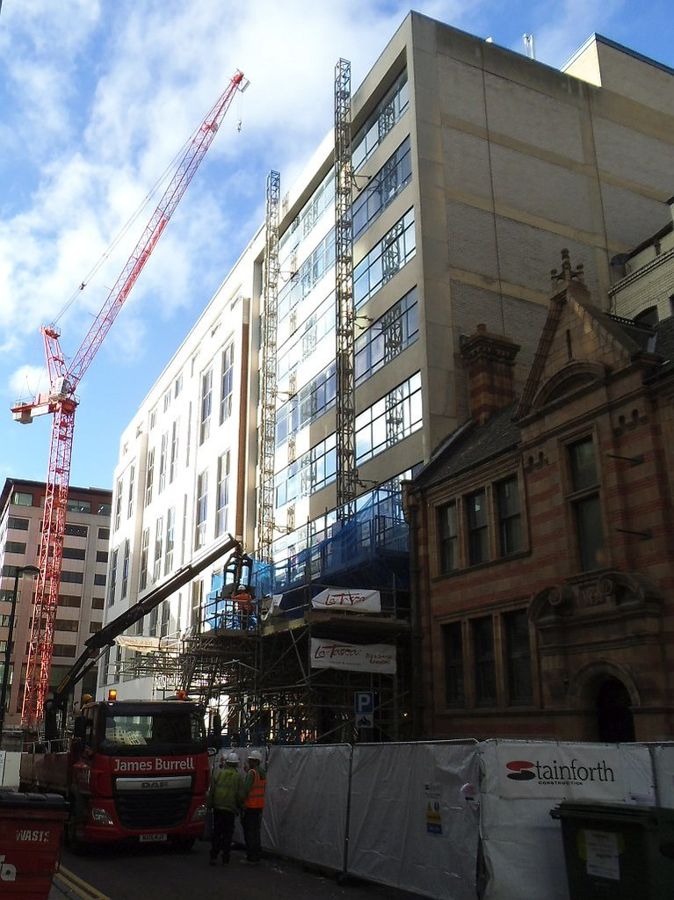
Hammerhead and flat-top cranes, roughly 25–200 t·m, for building projects. Decide by jib length, maximum load at the tip, and whether you need a climbing configuration for high-rise work.
Mini Excavator and Skid Steer Loader
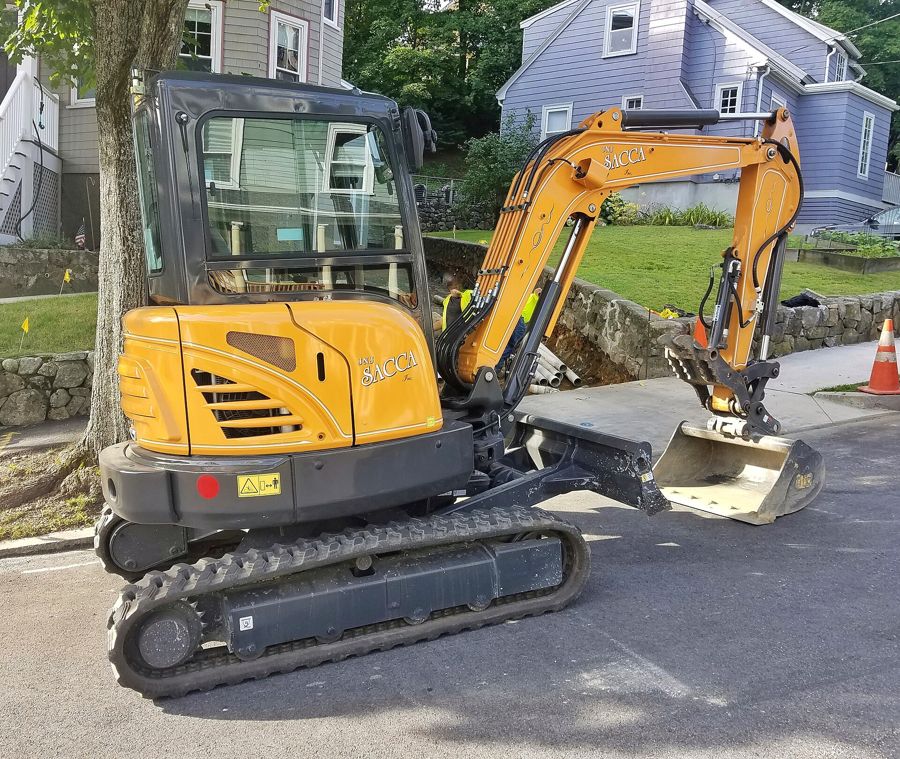
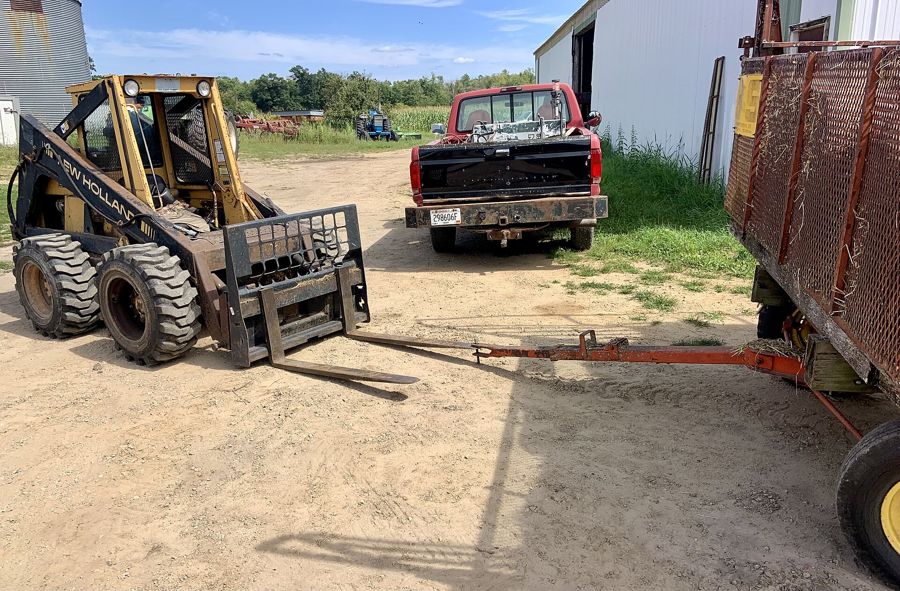
1–8 tonne mini excavators and compact skid steer loaders with quick-attach tools. These are the machines that keep a site moving in tight spaces and on utility work; both ship easily and are popular first imports.
Construction Hoist
Personnel and material hoists for multi-storey construction. Safety devices, rack-and-pinion specification and the certification required in your market should all be checked before ordering.
How to Choose in 3 Steps
Step 1 — Start from the daily output you must deliver
For a batching plant that means m³/h and the mix designs you will run. For road base work it means tonnes per hour along the alignment. Write that number down first; every other choice follows from it.
Step 2 — Decide mobile or stationary before comparing prices
A portable water stabilized base mixing plant and a fixed integrated plant solve different jobs. If your project moves along a road, mobility is worth more than maximum output. If you supply one yard, the integrated plant wins on cost per tonne.
Step 3 — Check the local fit: power, foundation, transport
Ask what power supply the plant needs, what foundation work is required, and how many containers or flat racks the shipment takes. A plant that cannot be installed at your site is not a bargain at any price.
Price Ranges and Landed Cost
Construction machinery spans a very wide range, so treat any single number with suspicion. A standalone concrete mixer costs a small multiple of its own motor; a complete batching plant with silos, screw conveyors and control room runs far higher. Road base equipment sits between the two, driven by output and by whether it is mobile or integrated. Then add the landing costs — freight, destination port charges, inland transport, foundations, installation and the first set of wear parts — before comparing with a local dealer. For a container shipment, plan on roughly 10–20% above machine value in logistics and port costs, and more where the plant needs site assembly.
| Item | Price range | Note |
|---|---|---|
| Concrete mixer (JS twin-shaft, unit) | Low thousands USD ex-works | Size 500–2000 L drives the price |
| Batching plant (HZS, complete) | Tens of thousands USD ex-works | Output 25–240 m³/h; silos and control system included |
| Water stabilized base mixing plant | Low tens to low hundreds of thousands USD | Mobile vs integrated changes cost and output |
| Mini excavator / skid steer loader | Low to mid tens of thousands USD | Engine and hydraulic brand moves the number |
Delivery Flow: Factory Test, Inspection, Shipping, Arrival
1. Factory test run
The plant is assembled and run at the factory before packing. Ask for video of the mixer running and of the weighing system, not a photo of the finished frame.
2. Third-party inspection
Inspection checks mixer size, motor plate, panel components, silo thickness and the completeness of the accessory list against the contract. Batching plants are assembled from many parts, and this is where shortfalls show up.
3. Shipping
Plants designed for export travel containerized; oversized items go on flat racks or by breakbulk. Make sure the loading plan, the bill of lading and the packing list agree before the container is sealed.
4. Arrival at port
Check the packing list before clearing, then plan foundations and site assembly. Installation is part of the real cost, so line it up before the vessel arrives.
Common Traps
Comparing output without comparing the mixer
Two plants can both claim 60 m³/h with different mixer sizes and different batch cycle times. Ask for the mixer model and the batch cycle, not only the output figure.
Forgetting the silos and the control room
A plant price sometimes covers only the main body. Cement silos, screw conveyors, the control room and the weighing system are frequently quoted separately.
Buying a road base plant that does not match the job
Mobile plants trade output for mobility. If your contract needs steady high tonnage, a mobile unit will become the bottleneck.
No plan for installation and commissioning
Concrete plants need foundations, power and calibration. Line up local installation and a commissioning engineer before the container arrives.
Frequently Asked Questions
What drives the price of a batching plant?
Output per hour, mixer size, whether aggregate feeding is skip or belt, silo capacity, control system and the accessories included in the offer.
What is the difference between a batching plant and a water stabilized base mixing plant?
A batching plant produces concrete in batches for structures. A water stabilized base mixing plant blends cement, aggregate and water continuously for road base and subgrade layers.
Should I buy a mobile or an integrated water stabilized plant?
Mobile if the work moves along a road alignment; integrated if you supply one location and need steady high output.
Can these machines be shipped in containers?
Many batching and mixing plants are designed containerized for export. Oversized parts travel on flat racks or by breakbulk, so confirm the shipping plan before paying.
Do you inspect before shipping?
Yes — factory test and third-party inspection before loading, with a written report.
What installation support is available?
We help coordinate factory engineers for installation and commissioning guidance; local labour and foundations are arranged on your side.
How long is delivery?
Standard models in weeks; custom and integrated plants take longer. The delivery date belongs in the contract.
How much does a concrete batching plant cost from China?
There is no single number, and any supplier who gives you one before asking about your job is reading from a catalogue. The price is quoted ex-works and moves with output per hour, mixer size, whether aggregate feeding is skip or belt, silo capacity and the control system. Two quotations that look similar are usually not the same plant. Send the model or the Alibaba link on WhatsApp +86 181 9216 5833 and I will tell you which factory builds it and what is missing from the offer.
Can I see the batching plant running before I pay?
Yes. A live factory visit costs $50: I go to the factory with a video call and show you the plant, so you see what is actually on the floor. If you need it in writing, a 12-point inspection report is $100. Nothing is paid before your sign-off.
What is usually missing from a Chinese batching plant quotation?
Foundations and civil works, the installation and commissioning engineer, cement silos, the control room, the first set of wear parts, sea freight and insurance, and the port charges at your end. Get each line written into the contract before you compare prices.