
Livestock Machinery from China: Feed Pellets, Choppers and Farm Equipment That Lasts
On a farm, a machine that stops working costs more than the money you saved buying it. Feed pellet machines and straw or grass choppers are simple equipment, but the difference between one that runs for years and one that jams every week sits in the motor, the die and roller quality, and whether the factory sells you the right size for your herd. This guide covers the machine types, how to size them, what they cost to land, and the traps we see most often.
Machine Types and What Each One Is For
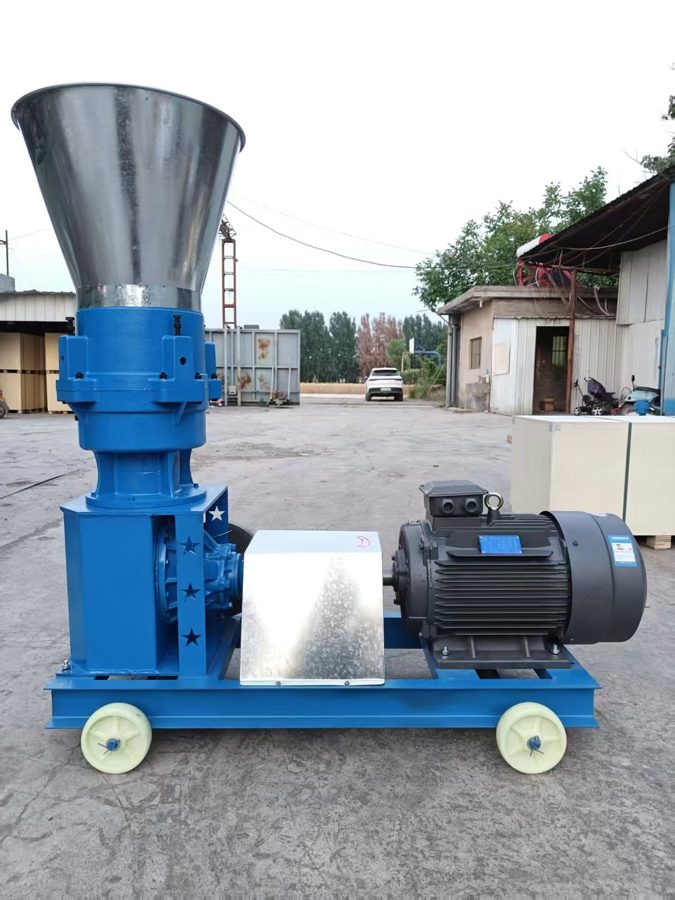
Feed Pellet Machine (Electric)
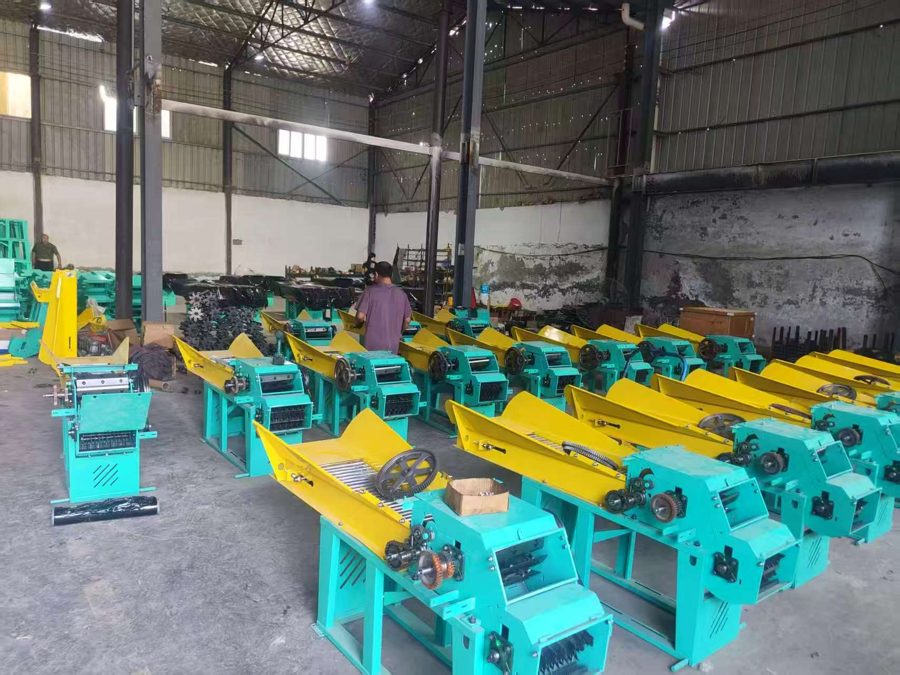
Ring-die and flat-die feed pellet machines for poultry, pig and cattle feed, roughly 0.5–20 t/h. The die and roller are the heart of the machine and the parts you will replace; ask for the die material and the price of a replacement set.
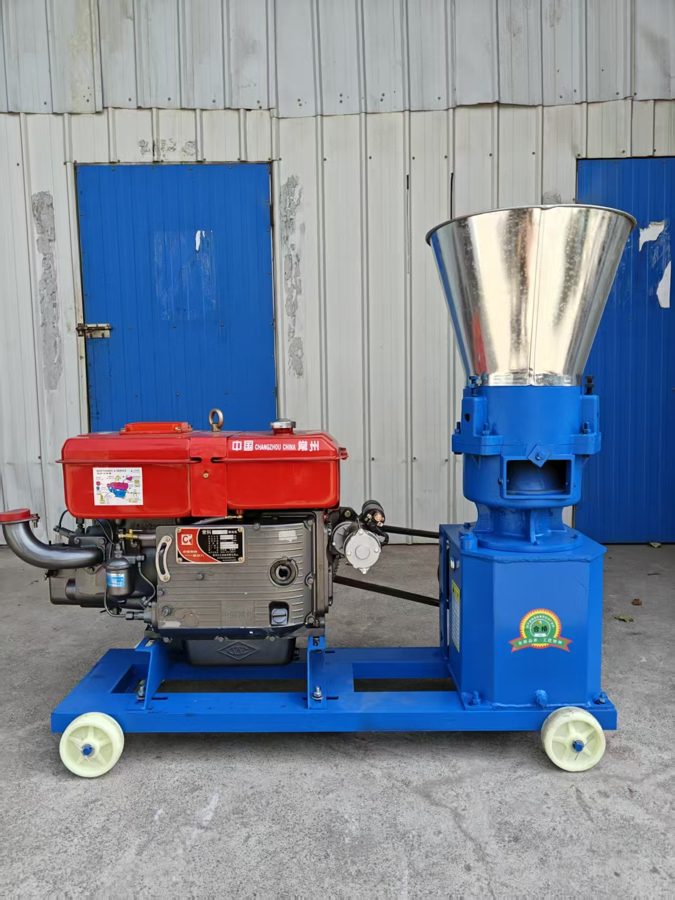
Mobile Diesel Feed Pellet Machine
The same pelletizing job with a diesel engine, so it works where there is no reliable electricity. Running cost per tonne is slightly higher, but it removes the generator from the equation on remote farms.
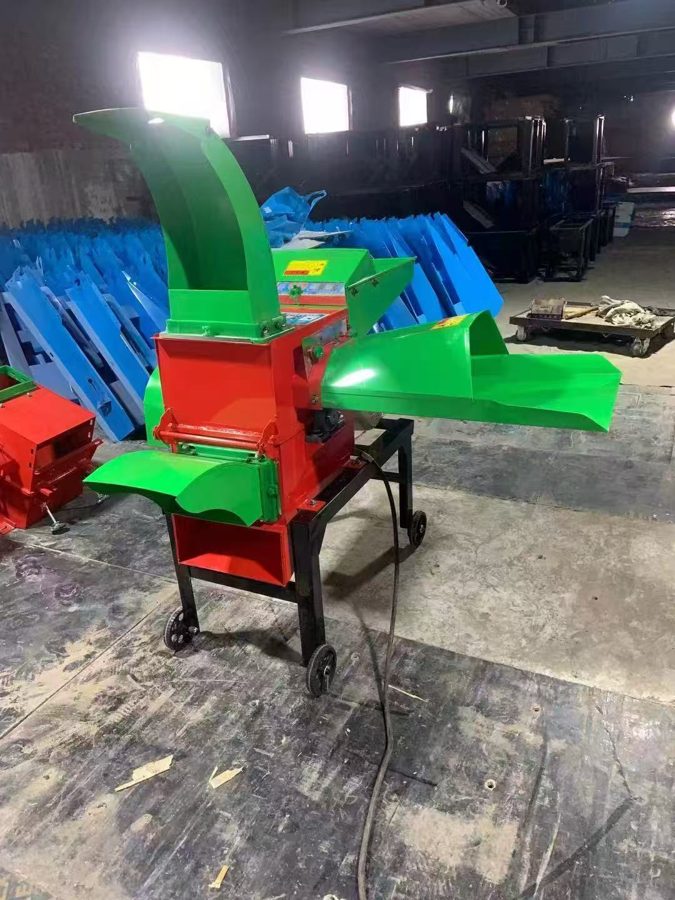
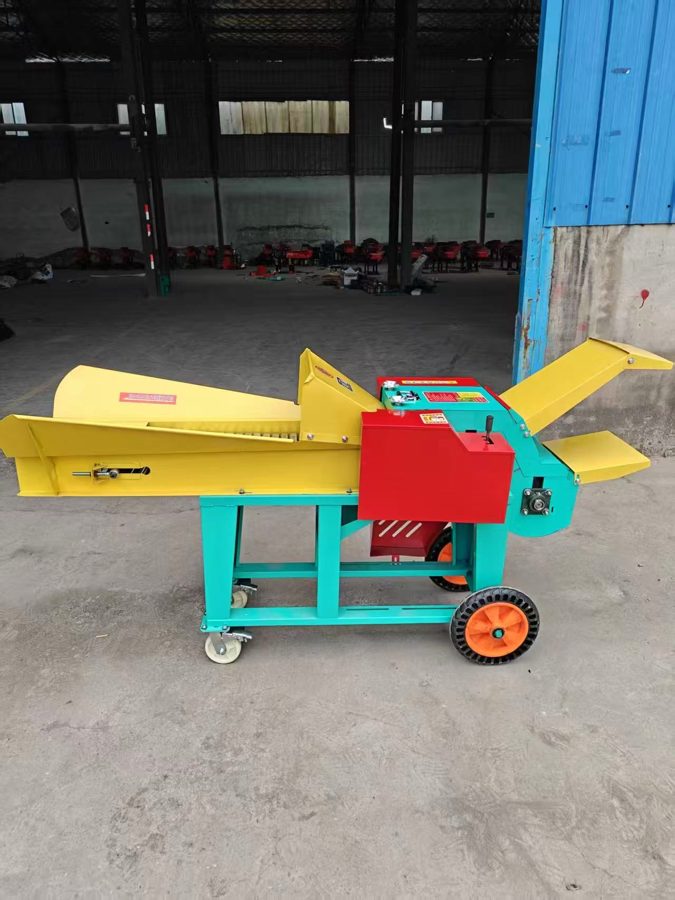
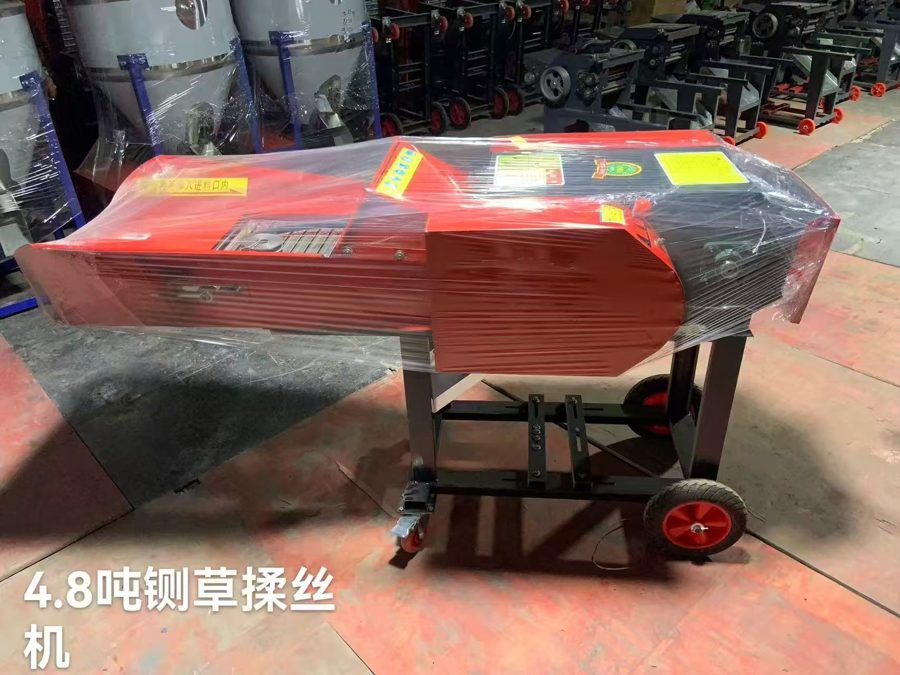
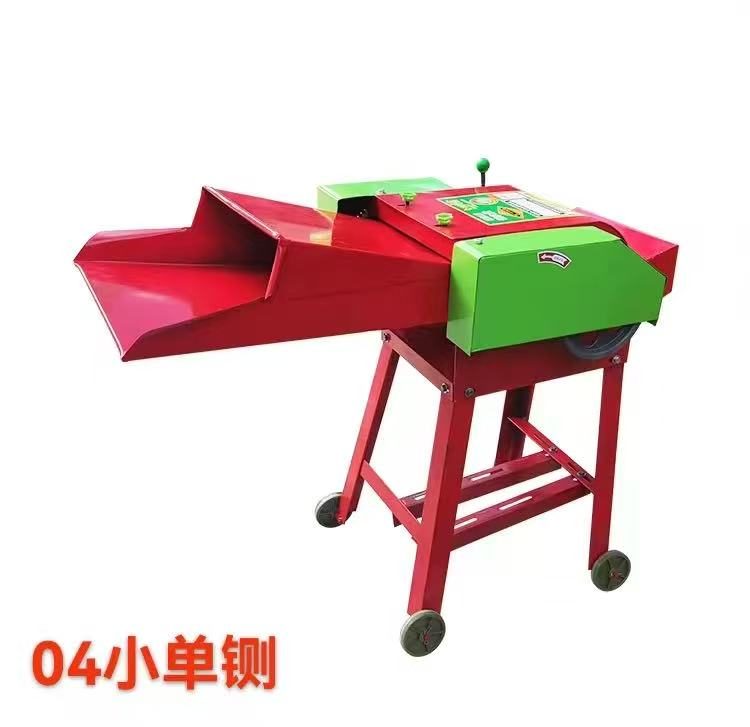
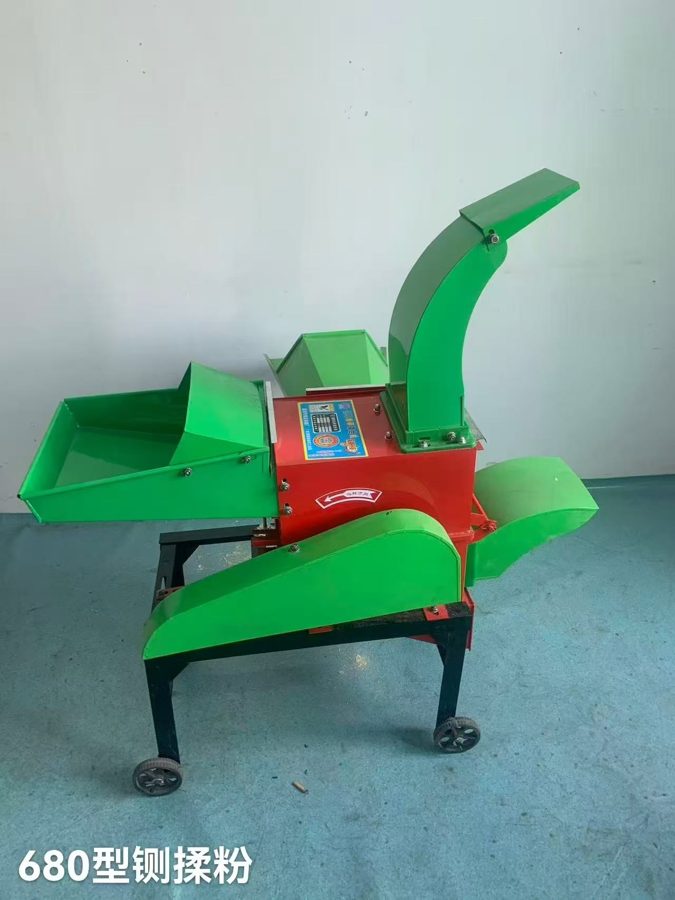
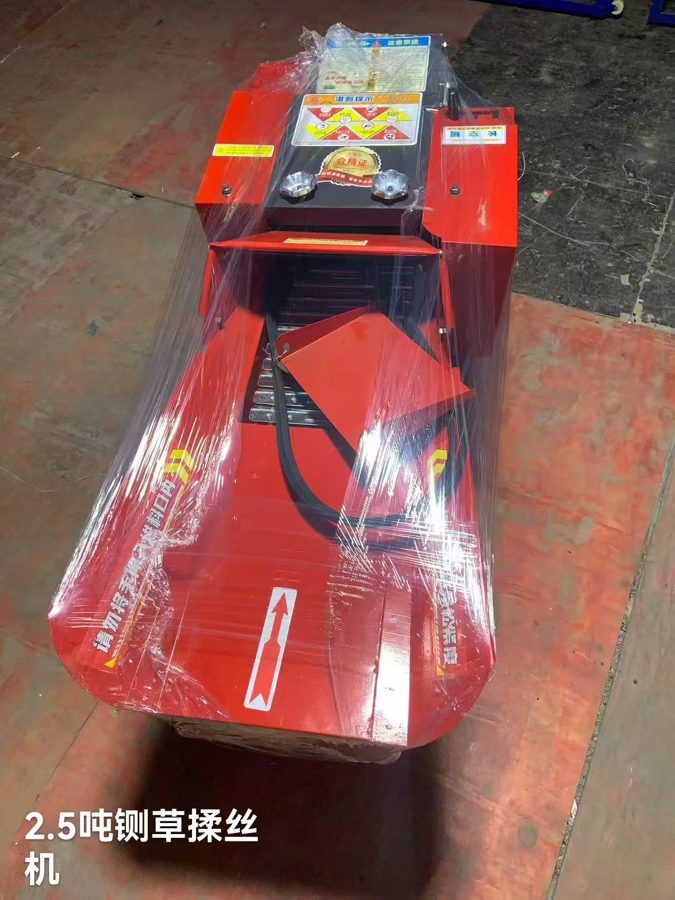
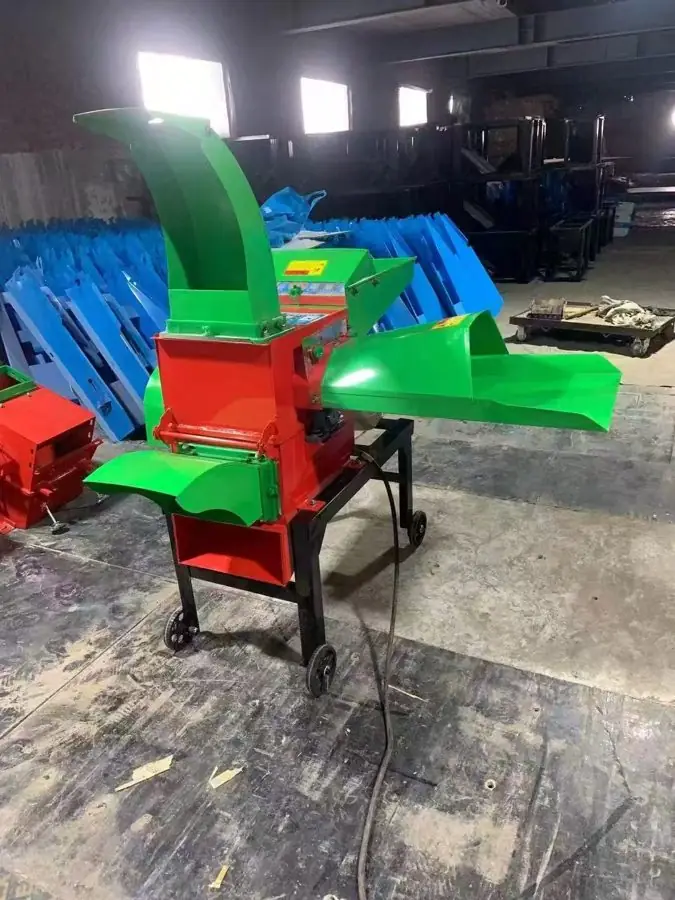
Straw Chopper and Kneader
Forage processing for silage and bedding: chopping, kneading and mixing in one pass. Capacities run from small farm units up to 4.8 t machines for medium and large operations.
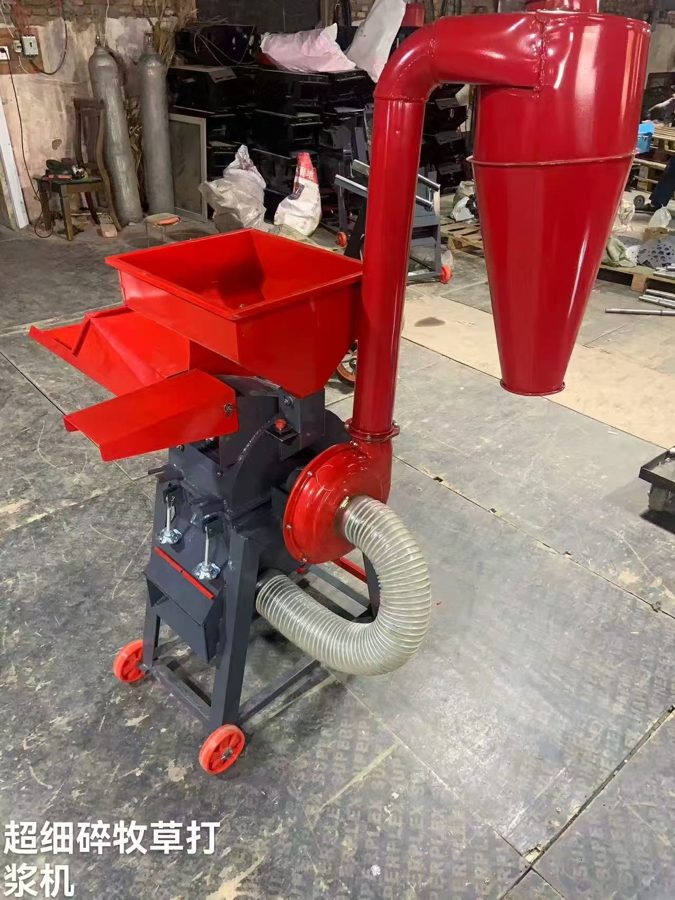
Super-fine Forage Pulper and Kneading Pulverizer
Finer processing for feed mixes and for material that must break down quickly. Useful where feed conversion is the priority rather than raw throughput.
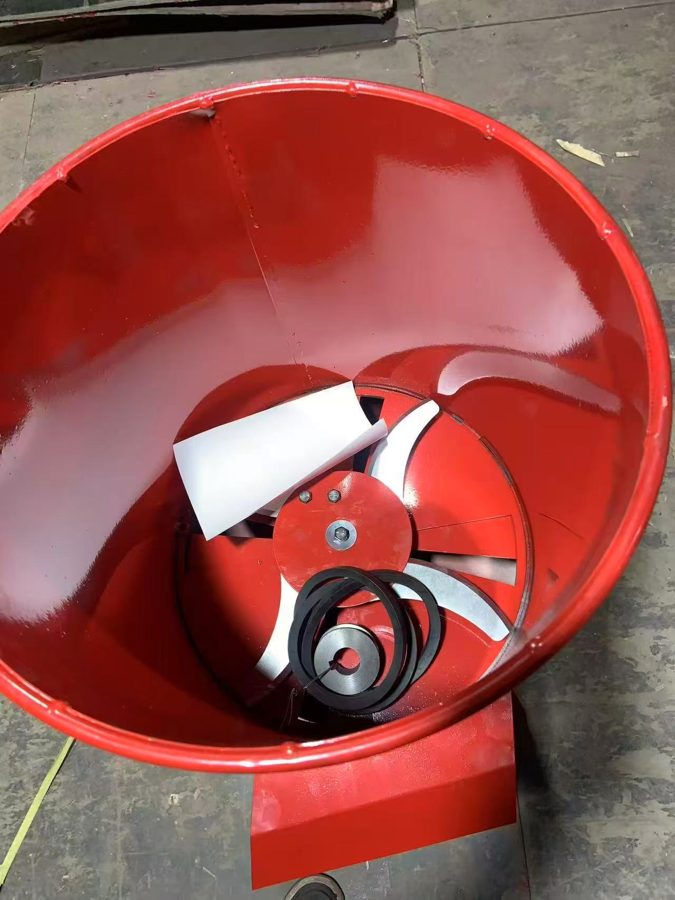
Cylinder Feed Grinder
Grinding grain and dry feed into meal before mixing. A simple, hard-working machine — check the blade and screen specification before ordering.
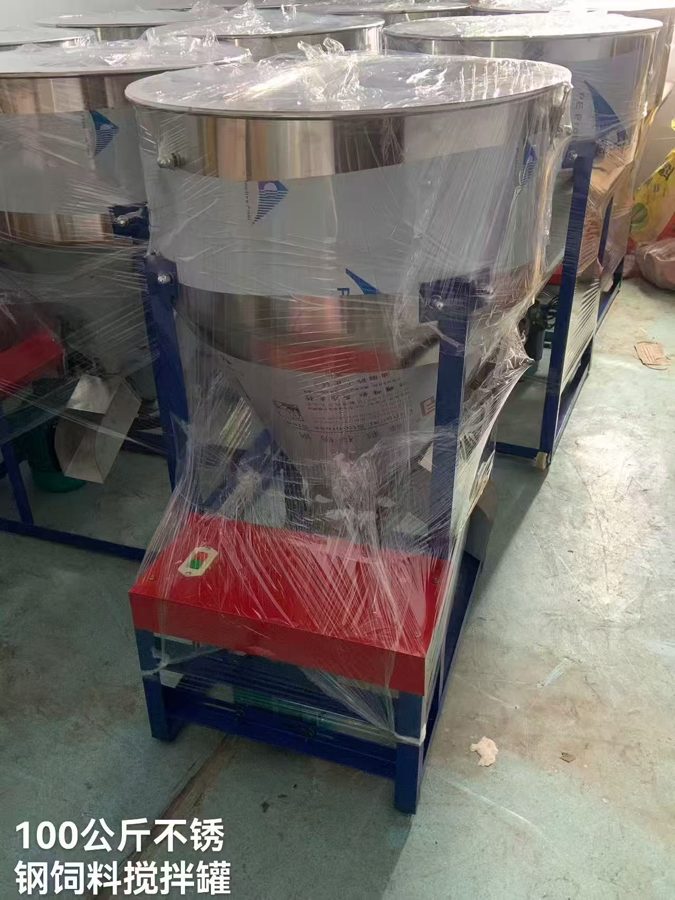
Stainless Feed Mixer Tank
Hygienic mixing of feed and additives, commonly a 100 kg food-grade stainless tank for smaller operations. Easy to clean and resistant to corrosion.
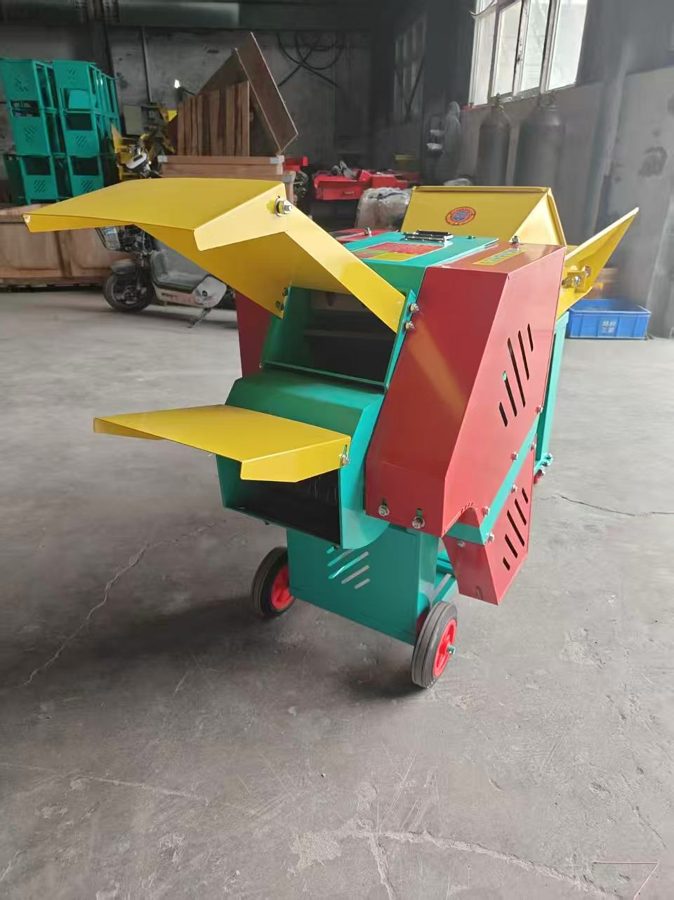
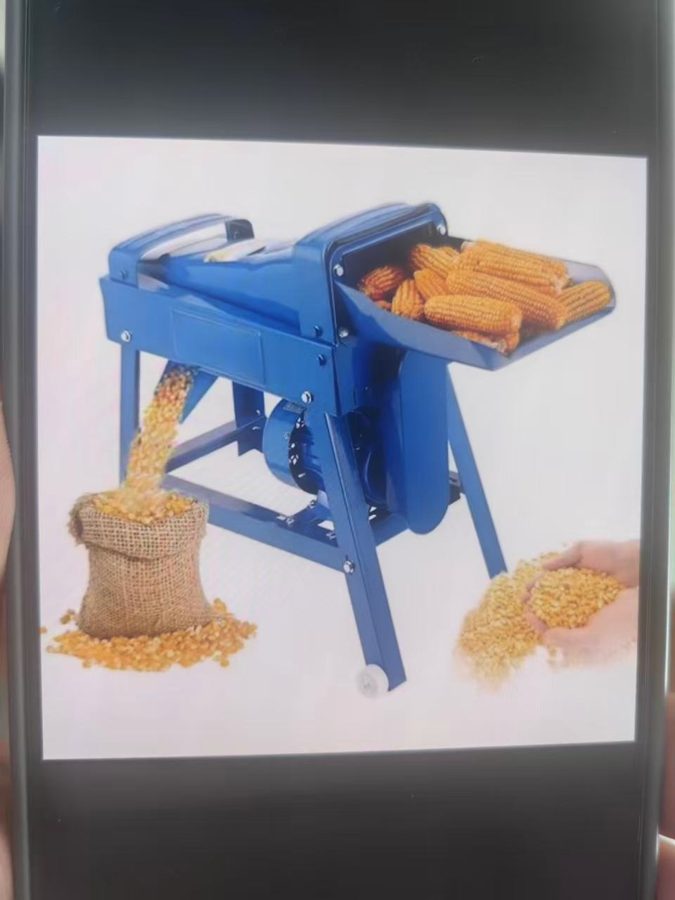
Corn Sheller
Shelling maize quickly at harvest time, mobile and simple to operate — usually one of the first machines a farm buys.
TMR Mixer Wagon
Vertical and horizontal mixers, roughly 3–30 m³, for dairy farms that need a consistent total mixed ration. The mixer wagon is the machine that decides feed consistency across the herd.
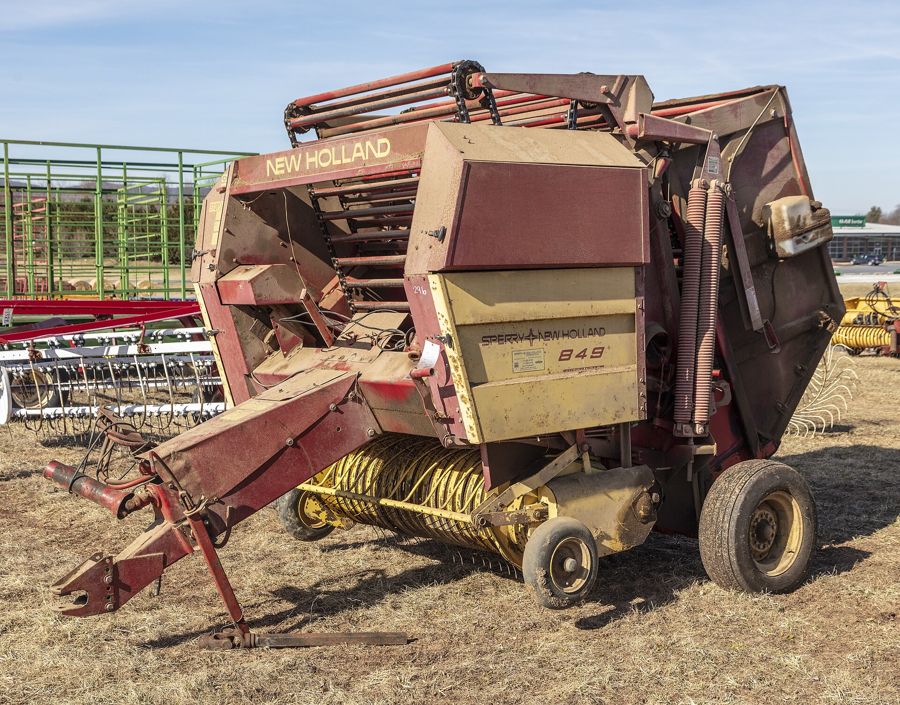
Hay Baler
Round and square balers for hay and straw, sized to your tractor's power take-off.
Hog, Poultry and Cattle Feeders & Drinkers
Automatic feeders and drinking lines for pig, poultry and cattle sheds, plus troughs and hoppers in stainless or galvanised steel. These are low-cost, high-volume items, and they are almost always shipped together with a pellet machine or chopper — buying hog feeders and poultry feeders from the same Henan factory belt as your processing equipment saves a second freight leg.
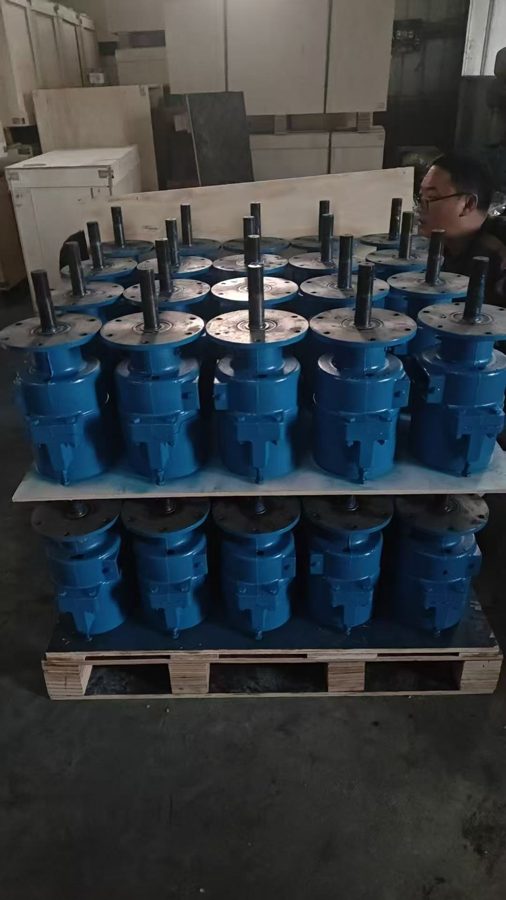
Machine Parts and Components
Rollers, dies, blades and assemblies from the same factories that build the machines, so the machine keeps working after the first season.
How to Choose in 3 Steps
Step 1 — Size the machine to your animals, not to the price
Calculate daily feed demand from your herd: number of animals multiplied by daily intake. A pellet machine that is too small becomes a full-time job; one that is oversized wastes power and money.
Step 2 — Choose electric or diesel from your power reality
On a stable grid, electric wins on running cost. Off-grid, or with frequent outages, a mobile diesel pellet machine removes a real risk from your operation.
Step 3 — Decide the spare parts package before you order
Ask for the wear parts you will need in year one — dies, rollers, blades and screens — in the same shipment. Buying them later costs more in freight than the parts themselves.
Price Ranges and Landed Cost
Livestock machinery is the most accessible entry point into importing from China, but ranges still matter. Small choppers and shellers are the lowest-cost machines in the range; electric and diesel feed pellet machines sit above them and scale with output; TMR mixers and balers are the largest items, priced by volume and drive power. Landing costs deserve attention here too: because these machines are relatively light, freight is a smaller share than for mining or construction equipment, but you still need to budget for port charges, inland delivery and the first set of wear parts. Plan for roughly 10–20% above machine value on a container-size order.
| Item | Price range | Note |
|---|---|---|
| Straw chopper / corn sheller (small) | Low hundreds to low thousands USD | Capacity and engine type drive the number |
| Feed pellet machine (electric or diesel) | Low to mid thousands USD | 0.5–20 t/h; die and roller quality matters |
| Straw chopper & kneader (up to 4.8 t) | Mid thousands USD | For medium and large farms |
| TMR mixer wagon / hay baler | Higher, by volume and drive power | Sized to herd size and tractor PTO |
Delivery Flow: Factory Test, Inspection, Shipping, Arrival
1. Factory test run
The machine is assembled and run at the factory before packing. Ask for video of the machine working with your material type, not a still photo.
2. Third-party inspection
Inspection checks motor plate and power, die and roller specification, blade condition and the accessory list against the contract.
3. Shipping
Most livestock machines fit standard containers or travel by LCL. Confirm what is included in the shipment — spares, screens and manuals are easily left behind.
4. Arrival at port
Check against the packing list on arrival. Then commission the machine with your own feed material and set the die clearance before running full production.
Common Traps
Buying by horsepower alone
Horsepower does not tell you output per hour, nor how the machine behaves with wet material. Ask for capacity in kg/h on the material you will actually process.
Ignoring the die and roller
On a pellet machine these parts decide your cost per tonne. The cheapest machine with poor dies can cost more per year than a better one.
No spare parts in the first shipment
The first season is when wear shows up. Ordering dies and blades later means paying freight again for a small box.
Assuming the machine suits local feed
Feed moisture and material differ by region. Tell the factory what you will process so the machine is set up correctly.
Frequently Asked Questions
What is the price of an animal feed pellet machine?
It depends on output, drive type (electric or diesel) and die diameter. Small farm units are inexpensive; high-capacity ring-die mills cost many times more.
Electric or diesel pellet machine?
Electric if you have stable power and want the lowest running cost. Diesel if you are off-grid or need to work away from the farm yard.
How much chopper capacity do I need?
Estimate daily forage demand for your herd, then choose a machine with some headroom, because wet or long material reduces real capacity.
Will the machine work with my local feed material?
Usually yes, but tell the factory what you will process. Moisture and fibre content change how the machine should be configured.
Can I buy spare parts long-term?
Yes. Dies, rollers, blades and screens are supplied from the same factories that make the machines.
How are these machines shipped?
Most fit in standard containers or travel by LCL. Light machines are often the cheapest per unit to ship.
Do you test the machine before shipping?
Yes, with factory test video and third-party inspection before loading.
Can I buy hog feeders and poultry feeders from China?
Yes. Automatic feeders, nipple drinkers and troughs for pigs, poultry and cattle are built in the same Henan factory belt as the pellet machines and choppers. Small orders travel by LCL together with your processing equipment; for full-container volumes the unit price drops with quantity. Send the species, shed length and number of animals on WhatsApp (+86 181 9216 5833) and you get a feeder layout and a landed price, not just a unit figure.
Automatic feeder or simple trough — which do I need for pigs and poultry?
In pig grow-out sheds, gravity or automatic round feeders with a hopper are the usual choice because they cut labour and spillage; in layer and broiler houses, pan or chain feeders work alongside a nipple drinking line. For smallholder sheds, plain stainless or galvanised troughs are cheaper and fail less. Tell us the species, animal count and shed layout, and the feeder line and drinkers are sized together with any pellet machine or chopper you order.