Mining Machinery from China: How to Compare and Buy Without Guesswork
A mining buyer usually starts with one message on WhatsApp: send me the price of a jaw crusher. Ten suppliers answer with ten different numbers, and almost none of them explains what the machine does per hour, what configuration sits behind the price, or what it costs to land it at the port. The difference between those quotations is rarely quality alone — it is configuration, wear parts and the number of hands the machine passes through. This guide is the way we compare mining equipment in practice, so you can judge a quotation instead of guessing.
Machine Types and What Each One Is For
Jaw Crusher (Primary Crushing)
The first stage of almost every stone crusher plant. Hard rock such as granite, basalt, iron ore and river stone is reduced from large feed lumps to roughly 40–100 mm. PE models cover feed openings from 400×600 mm up to 900×1200 mm, with realistic output around 60–300 t/h depending on rock hardness and discharge setting. Choose a jaw crusher when your feed is hard and you want a simple, low-maintenance first stage.
Impact Crusher (Secondary Crushing)
Second-stage crushing for softer, medium-hard rock such as limestone and dolomite. The high reduction ratio and cubical product shape make it the usual second stage in aggregate and stone crusher plant layouts. Blow bars are wear parts, so budget for replacements if the material you crush is abrasive.
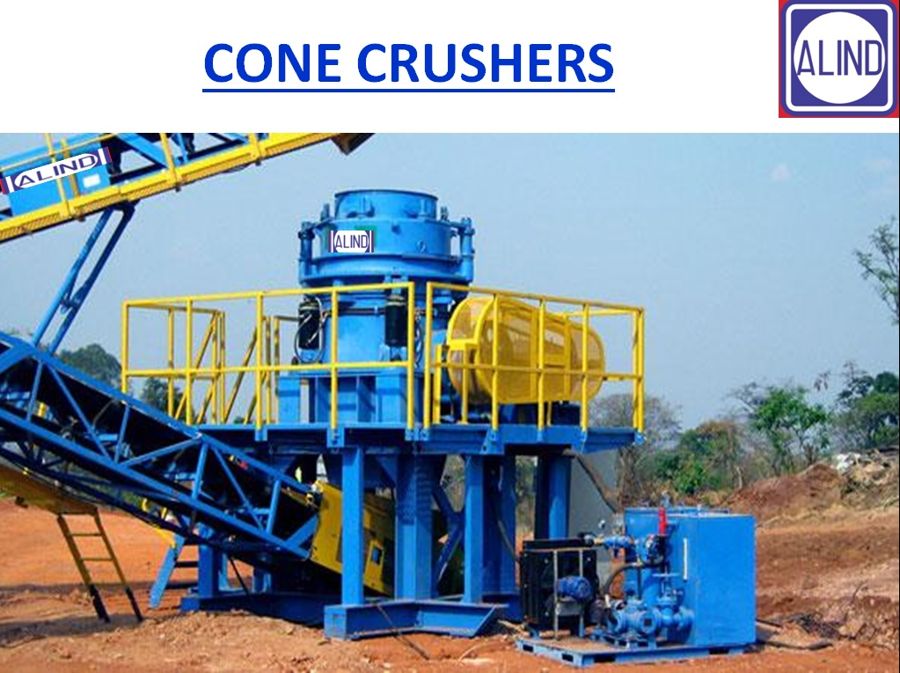
Cone Crusher (Secondary / Tertiary)
Secondary or tertiary crushing for hard, abrasive rock where product shape and consistency matter. Purchase cost is higher than an impact crusher, but wear cost per tonne on abrasive feed is far lower — which is why serious aggregate producers run a cone in the final stage.
Ball Mill (Fine Grinding)
Fine grinding after crushing, used for ore beneficiation and mineral powder production. Both wet and dry grinding are available, from laboratory-size units to industrial mills around 5.5 m in diameter. Capacity is driven by mill diameter, liner type and motor power — ask for the grinding curve, not only the tonnage figure.
Vibrating Screen (Classification)
Sizing, classification and dewatering. Circular screens handle screening while linear screens are used for dewatering and fine classification, with 2–4 decks. The screen decides your final product grades, so deck count, mesh size and screening area matter more than the price tag.
Flotation Machine (Ore Dressing)
Flotation cells for lead, zinc, copper, gold and other sulphide ores. Cells are selected from ore test results, not from a catalogue, so always ask for the beneficiation test before ordering a complete beneficiation line.
Belt Conveyor (Material Transfer)
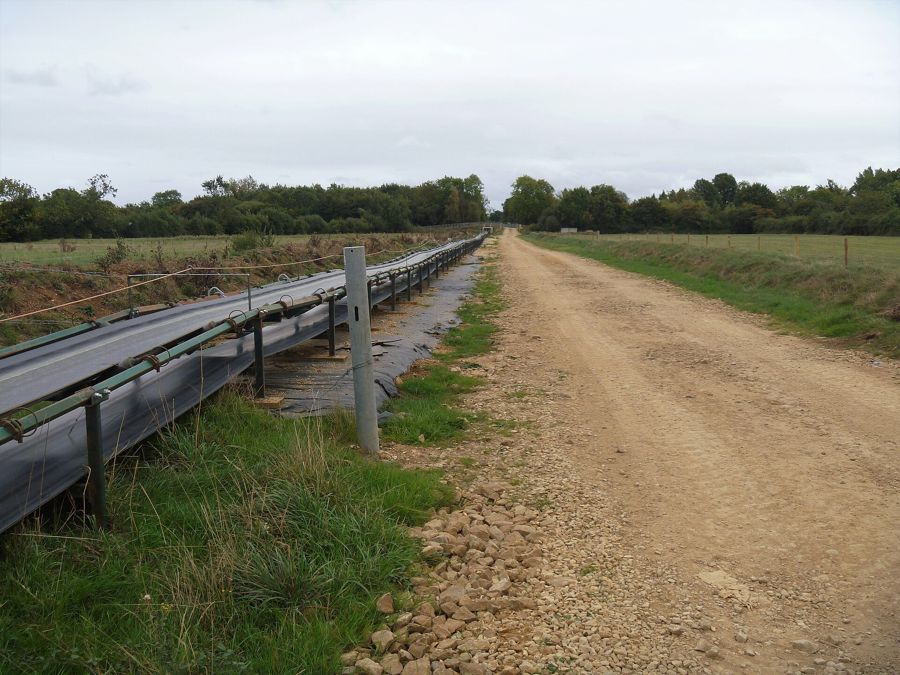
Moving material between crushing, screening and stockpile stages. Heavy-duty conveyors with the correct belt width and incline keep a plant running; an undersized conveyor is one of the most common bottlenecks in a new crushing or screening line.
How to Choose in 3 Steps
Step 1 — Fix the output, not the model
Before model names, write down three numbers: feed size (the largest lump you will throw in), required output in tonnes per hour, and the final product size you must sell. A supplier who knows these three numbers can propose a jaw crusher size properly. A supplier who answers with a model number before asking is quoting from a catalogue.
Step 2 — Ask for a balanced line, not a single machine
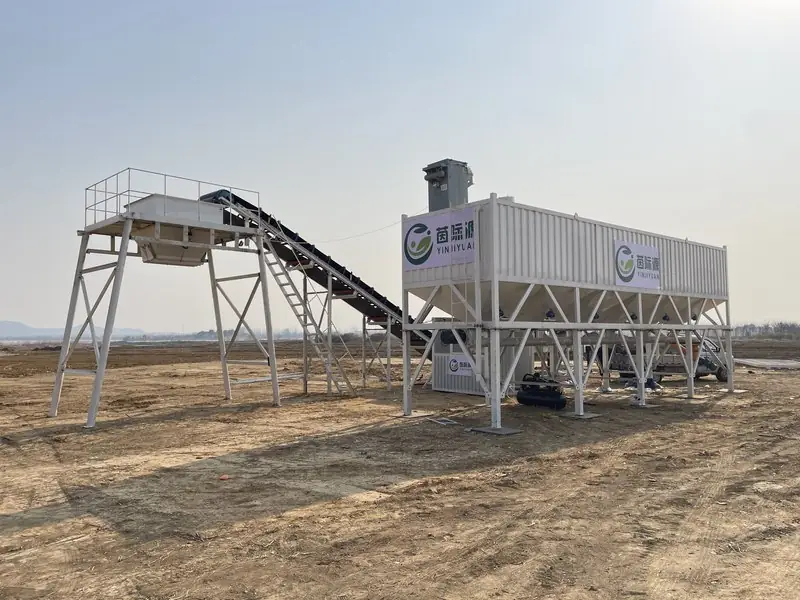
A crusher alone does not produce saleable product. Ask for the full stone crusher plant flow: feeder, jaw crusher, secondary crusher, screen, conveyors and the motors driving each stage. This exposes whether the proposal is actually balanced — a 300 t/h screen behind a 60 t/h jaw crusher is a layout that was never engineered.
Step 3 — Compare configuration line by line
Put two quotations side by side and compare motor brand, jaw plate material (manganese grade), bearing brand, control panel, wear parts included, packing and warranty. The cheapest quote is usually the one with the thinnest configuration. Price the wear parts for the first year before you decide.
Price Ranges and Landed Cost
Prices below are guides for new machines, ex-works Henan, before freight. Use them as a sanity check, not as a quotation — configuration moves them a long way. A single small jaw crusher (rock crusher) unit typically sits in the range of a few thousand US dollars, while a complete crushing and screening line with conveyors and control panels runs into the tens of thousands. What buyers often forget is landed cost: sea freight, insurance, destination port charges, inland trucking and the first set of wear parts. Budget roughly 10–20% on top of machine value for a container-size shipment, and more for oversized or overweight units that need flat racks or breakbulk.
| Item | Price range | Note |
|---|---|---|
| Jaw crusher (PE primary, unit) | From a few thousand USD ex-works | Output 60–300 t/h depending on model and setting |
| Stone crusher plant (crushing + screening line) | Tens of thousands USD ex-works | Feeder, crushers, screen and conveyors included |
| Ball mill | Varies with diameter and drive power | Ask for the grinding curve and liner specification |
| Vibrating screen + conveyors | Low thousands to low tens of thousands USD | Depends on decks, screening area and belt width |
Delivery Flow: Factory Test, Inspection, Shipping, Arrival
1. Factory test run
Before packing, the machine is assembled and run at the factory. Ask for video of the test under load, with the motor running and the discharge setting visible — not a photo of a freshly painted machine.
2. Third-party inspection
Independent inspection checks dimensions, welds, motor plate, bearing brand and completeness against the contract list. This is the step that catches the gap between the quotation and what is actually crated.
3. Shipping
Machines are packed, marked and loaded; the bill of lading and packing list must match what was inspected. Confirm in writing who handles the export documents and who pays which port charge.
4. Arrival at port
On arrival, check the goods against the packing list before clearing. Missing spare parts are almost always a packing-list problem, and they are far cheaper to fix at the port than after the vessel sails.
Common Traps
Comparing a price with a specification
The single biggest mistake. A jaw crusher quoted with a smaller motor, thinner jaw plates and no control panel will always look cheaper. Compare the configuration list first, then the price.
Ordering a line that was never balanced
Crushers, screens and conveyors have to be sized together. If a proposal lists machine names but no throughput for each stage, it has not been engineered.
Ignoring wear parts for year one
Jaw plates, blow bars, screen mesh and mill liners are consumables. Ask what a year of wear costs before you buy; on abrasive rock it can be a serious share of the machine price.
No inspection before shipping
Skipping third-party inspection saves a small fee and risks the whole order. It is also the only document that protects you if what arrives is not what was agreed.
Frequently Asked Questions
What does a jaw crusher price depend on?
Mainly feed opening size, motor power, jaw plate material, and whether a control panel, spare parts and packing are included. Two quotes for the same model number can differ because the configuration differs.
How much output do I need for a stone crusher plant?
Start from your market demand and your feed size, then size the line around them. A plant is normally built so the screen and conveyors slightly exceed the crusher output, making the crusher the single bottleneck.
Can I buy a single machine, or must I buy a full line?
You can buy a single unit, but when you are starting a new site it is usually cheaper to plan the whole line at once than to add stages later.
How long does production take?
Standard models are often ready in a few weeks. Custom or large mills take longer. Confirm the delivery date in the contract, not in the chat.
Do you inspect the machine before shipping?
Yes. Factory test video plus third-party inspection before loading is our standard flow, and you receive the report.
What about spare parts after the sale?
Wear parts and common parts are supplied long-term from the same factories that build the machines, not only at the time of purchase.
Which port do you ship from?
Machines normally ship from Qingdao, Tianjin or Shanghai depending on the factory location and the route. We confirm the port and the freight basis before you pay.