How to Choose a Water-Stabilized Base Mixing Plant: 3-Bin vs 4-Bin, Portable vs Workshop-Built
- ✓What “500-Type” Actually Means
- ✓Three Bins vs Four Bins: What the Extra Bin Buys You
- ✓Portable vs Workshop-Built: This Is a Real Trade-Off
I have run water-stabilized base jobs in China and Southeast Asia for years. If you are reading this, you probably already know what a cement-stabilized base is — you have a road job, and someone told you that a 500-type mixing plant will handle it. The question is which one: 3-bin portable, or 4-bin built inside a workshop? Both get sold as the same thing, and they are not.
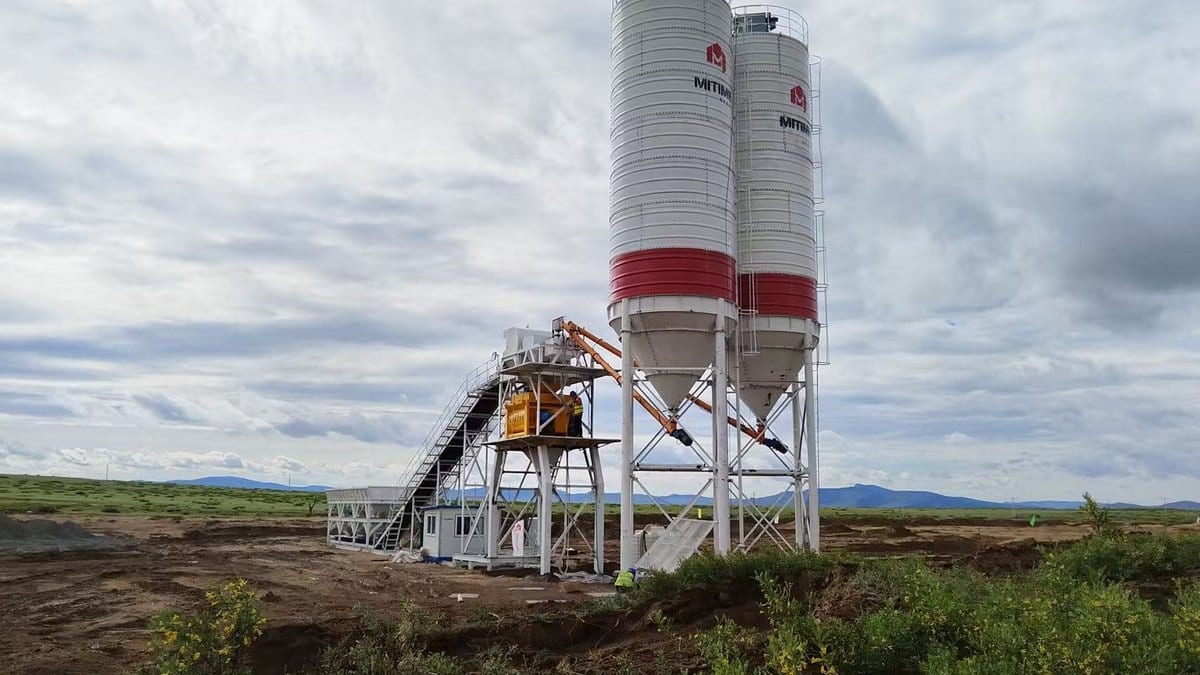
1. What “500-Type” Actually Means
500-type refers to the mixing capacity: roughly 500 tons per hour of stabilized base material. That is the number the plant is designed around — bin size, belt width, mixer volume all follow from it. A genuine 500-type has a twin-shaft continuous mixer sized for that output. If the plant is labeled 500 but carries a 400-type mixer, you will find out on week three, when the base layer stops keeping up with the paver.
2. Three Bins vs Four Bins: What the Extra Bin Buys You
A 3-bin plant feeds three aggregates — typically 1-2 gravel fractions and sand. A 4-bin adds one more fraction. That extra bin matters when your spec has a tight grading curve: the more fractions you can blend precisely, the easier it is to hit the compaction and CBR numbers the lab demands. If your project allows a wider aggregate range, three bins save money and footprint. If the spec is strict, four bins pay for themselves in the first month of reduced rejected batches.
3. Portable vs Workshop-Built: This Is a Real Trade-Off
Portable plants fold down and move with the job — worth it if you work multiple short contracts. Workshop-built integrated plants are heavier, stronger, and set up once, which suits a fixed site or a long contract. I have seen buyers buy portable for a 2-year job and pay the premium for nothing, and buyers buy fixed for a 3-month job and eat the teardown cost. Match the plant to the contract length, not to the brochure.
4. Check the Mixer First, Not the Paint
The mixer is the heart. Look at the twin-shaft blades: are they wear plates you can replace, or welded-in steel that means a new rotor when they wear out? Ask about the liner thickness. A cheap plant saves money on the mixer and it shows in the first 3 months. Also check the belt scale — is it a real weighing system, or a timer that guesses? On a stabilized base job, cement content variance of 1% is the difference between a base layer that holds and one that cracks.
5. Water System: The Part Everyone Underestimates
Stabilized base moisture content has a narrow window — too dry and it will not compact, too wet and it pumps under the roller. The water system on a mixing plant looks simple but the metering accuracy decides your compaction pass count. Ask how water is added: sprayed into the mixer at a metered flow, or dumped by a valve? Metered flow, with a visible flow meter, is the difference between consistent moisture and a base that fails the density test in random spots.
6. Cement Silo and Metering: Where Money Leaks
Cement is the most expensive ingredient in stabilized base. A plant with screw conveyor metering that drifts by 2-3% either wastes cement on every ton or produces base that fails spec. Ask for the metering tolerance in writing. And check the silo: does it have a working aeration system, or will the cement bridge and stop the job at 2 a.m.? These are the details a factory tour with a camera in hand reveals — and why you should never buy a plant from photos alone.
7. Real Output vs Brochure Output
The 500-ton figure assumes perfect conditions: dry aggregates, steady truck supply, no breakdowns. Real-world output is 70-80% of that. Calculate your job against 350-400 t/h, and size the plant for that number. If your contract needs 400 t/h sustained and the plant only does 300 in practice, the paver waits, the crew waits, and the daily cost of a stopped paving train eats any savings from the cheaper plant.
8. Buy With Evidence, Not With Trust
Before you pay, you want to see the actual machine — not a render, not a photo from another factory. Video of the plant running, close-ups of the mixer and the belt scale, the nameplate, the workshop where it is built. If a supplier cannot show you these within a day, ask why. We do this for buyers every week: we walk into the factory, film the machine, and send the video before anyone pays a cent.
The Real Price Rule: The Plant Is Cheap, the Stop Is Expensive
A 500-type water-stabilized base plant costs tens of thousands of dollars — a real sum, but small next to what a stopped paving train costs on a highway job. One week of downtime pays for the difference between a cheap plant and a good one. When comparing quotes, compare the mixer, the belt scale, the water metering, and the silo — not the paint job. A plant that holds spec for years is the cheap plant. The one that needs a new rotor in month six is the expensive one, whatever the invoice says.