Machine Spare Parts from China: How to Keep Equipment Running After the Sale
The moment a machine is delivered, the question changes from price to uptime. A mill that stops because a roller or a bearing failed costs production time, and that usually costs more than the part itself. Most buyers only discover this after their first breakdown, when they are hunting for a supplier who can identify a component from a photograph. The same rules apply whether you are ordering machine spare parts for a feed mill or heavy equipment spare parts for a crushing plant. This guide explains how to organise spare parts supply properly, what to stock, and how to make sure the parts you order actually fit.
Parts Categories and What Each One Is For
Wear Parts
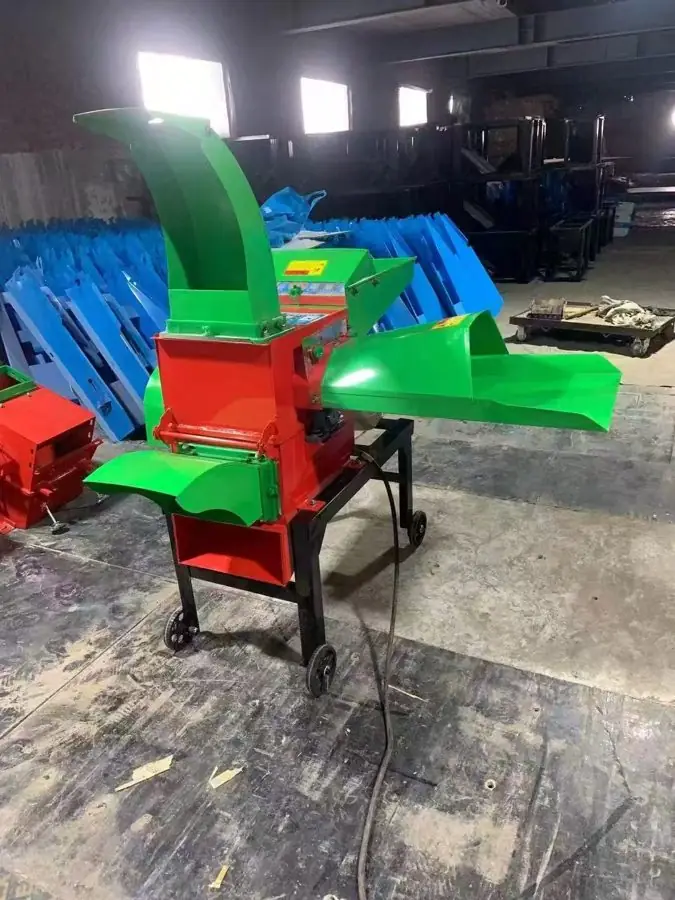
The parts that are designed to be replaced: pellet dies and rollers, chopper blades, jaw plates, screen mesh, mill liners and conveyor belts. These should be planned and ordered before they fail, not after.
Common Parts
Bearings, belts, seals, bolts and filters. Cheap on their own, expensive when missing — a small stock of common parts prevents long downtime.
Machine-Specific Components
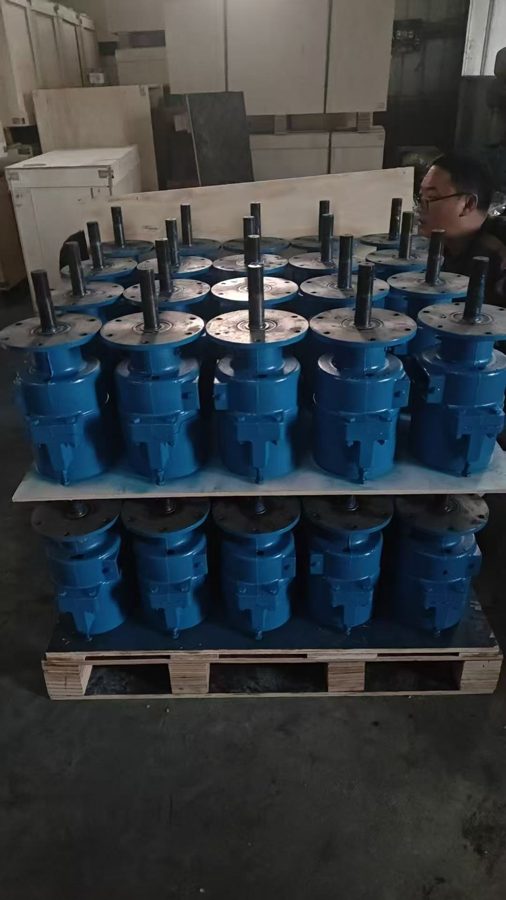
Gear drives, feed conveyors, augers, mixing paddles and assemblies matched to a specific machine model.
Engine and Drive Parts
Motors, starters, gearboxes and drive components matched to the machine's power unit.
Assemblies and Ready Stock
Complete sub-assemblies held at the factory so a failed module can be swapped rather than rebuilt on site.
How to Choose in 3 Steps
Step 1 — Record the machine data at delivery
Model plate, serial number, motor brand and power, plus photographs of the identification plates. Without these, finding the right part becomes guesswork.
Step 2 — List what wears
Ask the factory which parts are consumables and how long they typically last. That list becomes your first spare parts order.
Step 3 — Keep a small buffer stock
Hold the wear parts you replace most often, plus common parts. The goal is not a warehouse; it is never waiting weeks for a low-cost item.
Price Ranges and Landed Cost
Spare parts are low value and high impact, which makes them ideal to ship together with the machine. Prices depend on material and size: blades and screens are inexpensive, dies and rollers scale with diameter and material, and larger assemblies cost accordingly. The real cost is freight and delay, not the part. That is why the sensible approach is to add the first-year wear parts to the original shipment, while the container is already paid for, rather than ordering them in an emergency later.
| Item | Price range | Note |
|---|---|---|
| Blades, screens, seals, common parts | Low unit price | Order with the machine to avoid separate freight |
| Pellet die and roller set | Mid range, scales with diameter | The highest-wear items on a pellet machine |
| Gear drives, conveyors, assemblies | Higher, quoted by model | Match to machine model and serial number |
Delivery Flow: Confirm, Quote, Ship, Verify
1. Confirm the part and the model
Send the model plate photo, the serial number and a clear photo of the failed part. The factory confirms fit before quoting.
2. Quote and check the material
Ask for the material specification, not just the price. Genuine-compatible parts from the same factory should match the original specification.
3. Consolidate and ship
Combine parts into one shipment where possible. Small parts travel by air or LCL when speed matters more than cost.
4. Receive and verify
Check against the packing list on arrival and store parts by machine, so the next failure is a quick swap instead of a search.
Common Traps
Ordering from a photo alone
Measure and record. A part that looks right but does not fit costs a full round of freight and another week of downtime.
Buying the cheapest compatible part
Material quality decides service life. On wear parts, the cheapest option often fails sooner and costs more per hour of running.
No stock of common parts
Waiting for a bearing can idle an entire line. A small buffer of common items is the cheapest insurance available.
Mixing parts across machines
Keep parts labelled by machine and serial number. Interchangeable-looking parts are not always interchangeable.
Frequently Asked Questions
How do I order a spare part without the part number?
Send the machine model, serial number and clear photos of the machine and the failed part. The factory can usually identify it from these.
Are these original or compatible parts?
We supply parts from the same factories that build the machines, matching the original specification.
How long does spare parts delivery take?
Common parts from stock dispatch quickly; specially produced items take longer. Air freight is used when downtime is expensive.
Should I buy spare parts together with the machine?
Yes. The first set of wear parts costs relatively little to add to the original container, and it protects you through the first season.
What parts should I stock first?
Dies and rollers for pellet machines, blades for choppers, plus bearings, belts and seals as common items.
Can you supply parts for machines bought elsewhere?
In many cases yes, if you can identify the model and the part. Send us the details and we will check.
Do you check fit before shipping?
Yes, we confirm fit against the machine model before dispatch.