Import Machinery from China: $30,000 at the Factory, $48,000 at Your Port — The 6 Hidden Costs
- ✓Freight — The Line Nobody Quotes First
- ✓Insurance — Small Line, Hard Rule
- ✓Customs Duty — The HS Code Decides Everything
A buyer in Surabaya ordered a water-stabilized mixing plant from China at $30,000 ex-work. He was quoted the factory price, he paid the factory price, and he thought that was the deal. When the machine reached his port, the real number was $48,000 — 60% more, with no single line on the quotation explaining why. I see this every month, and it is never the machine that is expensive. It is the invisible costs between the factory gate and the port.
I am David Peng, a licensed builder who ran road and utility subcontracting for over a decade before helping overseas buyers source machinery from the factory belt in Henan. My rule is simple: I calculate every cost before the deal — numbers, not estimates. Below is the exact breakdown of that $12,700 gap, line by line, and how to check every one of them before you sign anything.
Run the numbers yourself with the calculator →
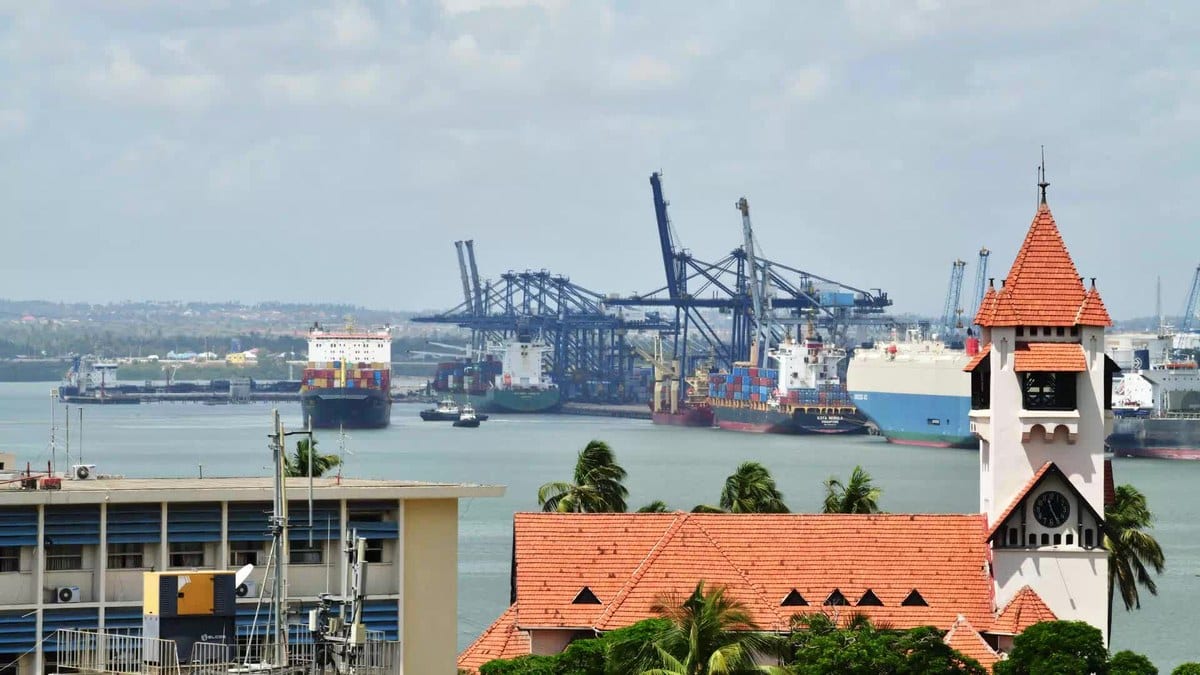
1. Freight — The Line Nobody Quotes First
Freight on this machine was $4,500. Ocean freight for machinery is charged by volume or weight — not by the machine's price — and rates swing wildly by season and route. A 20-foot container to Jakarta runs very differently from one to Surabaya or Makassar. Always ask for the freight line in writing and compare two forwarders before accepting it. When someone says 'I will handle shipping', get the number in the quotation — if it is not there, it is a surprise waiting at the port.
2. Insurance — Small Line, Hard Rule
Insurance ran $900. Machinery is the cargo most likely to be damaged in transit — a shifted load can crack a mixing drum or bend a crusher frame beyond repair. Insure for the full landed value, not the factory price: if you insure $30,000 and the machine is a total loss at $48,000 worth of shipping, you collect only the insured amount. Marine cargo insurance is cheap; a self-insured machine is not.
3. Customs Duty — The HS Code Decides Everything
Customs duty came to $3,000. Every machine has a tariff classification — the HS code — and the code decides the duty rate. The same physical machine can be taxed at very different rates depending on how it is declared. If you are importing machinery from China to Indonesia, Malaysia or Cambodia, have the HS code checked before you ship, not after the bill arrives. This is also where a sourcing agent earns his keep: we classify with the same language the customs officer uses.
4. Import Taxes — The Second Government Bill
Tax added $1,800 on top of the duty. Duty is only the first government charge: most countries add import VAT or sales tax on top — Indonesia's PPN, Malaysia's SST, Cambodia's import VAT. Each applies to the landed value, so it compounds with the duty. A quotation that shows only 'tax included' is meaningless — ask for the tax rate and the base it is calculated on.
5. Port Handling, Inland Transport & Documents
Unloading, inland transport and documents consumed $1,500. Ports charge for unloading, storage days, and container handling; then the machine must move to your site; and every shipment generates document fees — customs brokerage, courier, amendments. These small lines add up to real money, and they are the easiest for a seller to forget to mention. Ask for a complete port-to-site list before you ship, not a vague local costs line.
6. The Broker — Money That Disappears Without a Receipt
The broker took $1,000 with no receipt and no service you can point to. Some middlemen earn their fee; the dangerous ones add a percentage on every line — freight, duty, tax — and issue no documents. Compare this with a sourcing agent who works on a written service fee, shows you every invoice, and classifies, inspects and ships under one contract. You can import machinery from China without a middleman's tax — but not without someone who opens the books.
The Real Price Rule: Compare Landed Cost, Not the Quotation
Landed cost = ex-work price + freight + insurance + customs duty + import tax + port and inland costs. On this machine: $30,000 + $4,500 + $900 + $3,000 + $1,800 + $1,500 = $41,700 — before the broker's $1,000 and the $5,300 nobody listed. A 40–60% gap between quotation and port is normal in this industry, and it is normal only because buyers accept it. When you ask me for a quote, you receive the full table before you pay anything: line by line, with documents to back every number.