How to Buy Heavy Equipment Spare Parts from China Without Getting Fake or Worn Parts
- ✓Buy by Part Number, Not by Machine Name
- ✓The Three Grades - Know Which One You Are Buying
- ✓Demand Real Photos: Part Number, Date and Casting Marks
A contractor in East Kalimantan sent me a photo of a hydraulic pump he had bought himself. The label said original, for a PC200-8. He paid $1,850 for it. It failed in 23 days and took his 20-ton excavator out of production for another three weeks while a replacement crossed from Shanghai. When I looked at the pump, the casting numbers did not match the part number on the label. He had bought a rebuilt housing, fresh paint, and a copied sticker. The machine was fine. The part was the problem.
Spare parts look like the small side of this business. They are not. A machine is bought once; parts are bought twice a year, forever. A part that costs $300 and stops a $90,000 machine is the most expensive thing a contractor can own. And the market is full of genuine, OEM-equivalent, rebuilt and outright counterfeit parts sitting side by side, often in the same crate.
This guide is the checklist I run before a spare part leaves a Chinese factory: the part number, the three grades, the proof of authenticity, the fitment data, and the two sentences that decide who pays when a part fails.
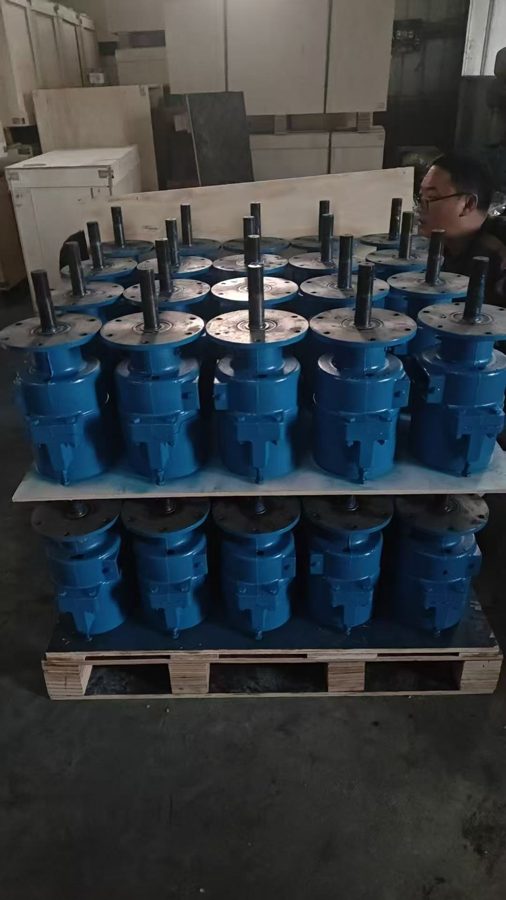
1. Buy by Part Number, Not by Machine Name
Excavator part for PC200 is not a part. A PC200-8 main hydraulic pump, a PC200-7 pump and a PC200-6 pump are different parts with different part numbers, and the serial-number range matters too. Write down four things before you contact anyone: brand; machine model with series (PC200-8, not PC200); the full serial number from the machine plate; and the engine model. Then ask the supplier for the factory part number and compare it character by character with the number in your parts book or with a second supplier. If a seller answers yes it fits without asking for your serial number, end the conversation there.
2. The Three Grades - Know Which One You Are Buying
Genuine (OEM): made by the original manufacturer, in original packaging, the highest price. OEM-equivalent or OES: same production line, same specification, sold under the factory's own brand, typically 30-50% cheaper and functionally identical for consumables. Aftermarket or rebuilt: independent or remanufactured, sometimes excellent and sometimes the reason the machine breaks again next month. None of these grades is automatically bad. Bad is paying genuine money and receiving an aftermarket part. Ask which grade it is in writing, and compare the same grade against three suppliers.
3. Demand Real Photos: Part Number, Date and Casting Marks
Stock catalogue images tell you nothing about the part you will receive. Ask for photos of the actual piece: the laser-etched or cast part number, the manufacturer's mould marks on the casting, the packaging label with its batch or lot number, and a handwritten date-and-order card placed next to the part. If the seller refuses, or keeps sending catalogue renders, you are buying a promise instead of a part.
4. The Five Signs of a Counterfeit or Worn Part
One: a price more than 40% below every other quote for the same grade - nobody sells genuine parts below cost. Two: packaging without a batch number, or a label printed in the wrong font. Three: casting marks that have been ground off or painted over. Four: a weight that does not match the specification, because counterfeit housings are often noticeably lighter or heavier. Five: refurbished to new with no test report and no warranty. Any single one of these is enough to walk away.
5. Fitment Data and the Sentence That Decides Who Pays
Put this in the order, in writing: machine model and series, serial-number range, engine model, and the part number. Then add the clause that decides who pays when it does not fit: if the supplied part's part number or dimensions do not match the confirmed number or drawing, the supplier replaces it and bears the return freight. Without that sentence a wrong part becomes your loss. With it, the factory has a reason to check twice before the crate is sealed.
6. Stock the Spares That Stop a Machine, Not All the Spares
The parts worth holding are the ones that stop a machine fastest: hydraulic hoses and fittings, filters (engine oil, fuel, hydraulic, air), seal kits and O-rings, a spare hydraulic main pump or travel motor for your critical machines, and wear parts for the working end (bucket teeth and cutting edges, jaw plates, screen mesh, mixer liners, pellet mill dies and rollers). Order two of anything that costs under $150 and takes more than three weeks to arrive. Do not build a warehouse you will never sell - the goal is to turn downtime into a scheduled maintenance hour.
The Real Price Rule: Compare Delivered Cost per Operating Hour, Not the Unit Price
A seal kit that costs $40 and lasts 2,000 hours is cheaper than a $20 kit that fails at 400 hours. Spare-part buying is not about the cheapest invoice; it is about part price plus freight plus duty plus downtime risk, divided by hours of service. On a machine that earns $150 an hour, two days of downtime costs about $2,400 - more than most of the parts you will ever buy for it. So the question for each supplier is not only how much, but what is the batch number, what is the warranty term, and what is the replacement lead time if it fails. A part that arrives in three weeks with a written warranty is frequently cheaper than the cheapest part that arrives in six.
Frequently asked questions
Are Chinese spare parts as good as the original?
Genuine parts from the original manufacturer are the original. The real question is the grade. OEM-equivalent parts from the same production line, sold under the factory's own brand, are used by many fleets at 30-50% lower cost for consumables and are functionally identical. Aftermarket and rebuilt parts vary: some are excellent, some are the reason a machine fails again. Buy by grade, in writing, and pay the price that matches that grade.
How do I verify a part number I do not know?
Send the machine plate photo: brand, model with series, serial number and engine model. A serious supplier returns the factory part number and, on request, the dimension sheet. Compare that number with your parts book or with a second supplier. If two suppliers return different numbers, stop and confirm before you pay.
Can you ship a small order - one or two pieces?
Yes. Small orders go by air express, typically 5-10 days door to door for a single pump or a set of seals, or by air-consolidated LCL. Freight per kilo is higher on small orders, so we give you the freight number before you decide, and we can combine your next order into the same shipment to cut the cost.
What happens if the part does not fit?
That is exactly why the order must state the confirmed part number and the serial-number range, and carry the replacement clause: if the supplied part does not match the confirmed number or drawing, the supplier replaces it and covers the return freight. We verify the part number on arrival at the factory and send you photos before the shipment leaves, so a mismatch is caught in China, not at your site.
Do you supply parts for Komatsu, Caterpillar, Hitachi, Sany and XCMG?
We buy parts for the common construction and mining brands - Komatsu, Caterpillar, Hitachi, Kobelco, Doosan, XCMG, Sany, Zoomlion, Liugong and others - plus parts for Chinese-made crushing, batching and feed machinery. Send the machine plate photo and the part number you need. If it is a brand or model we cannot verify, we will tell you instead of guessing.
How long does delivery take?
In-stock parts in Guangzhou or Zhengzhou usually leave in 2-5 working days; made-to-order parts take 15-30 days. Air express reaches Jakarta, Surabaya or Medan in about 5-10 days; LCL sea freight takes about 18-30 days depending on route and consolidation. We give you the actual AWB or vessel number, not just a promise.